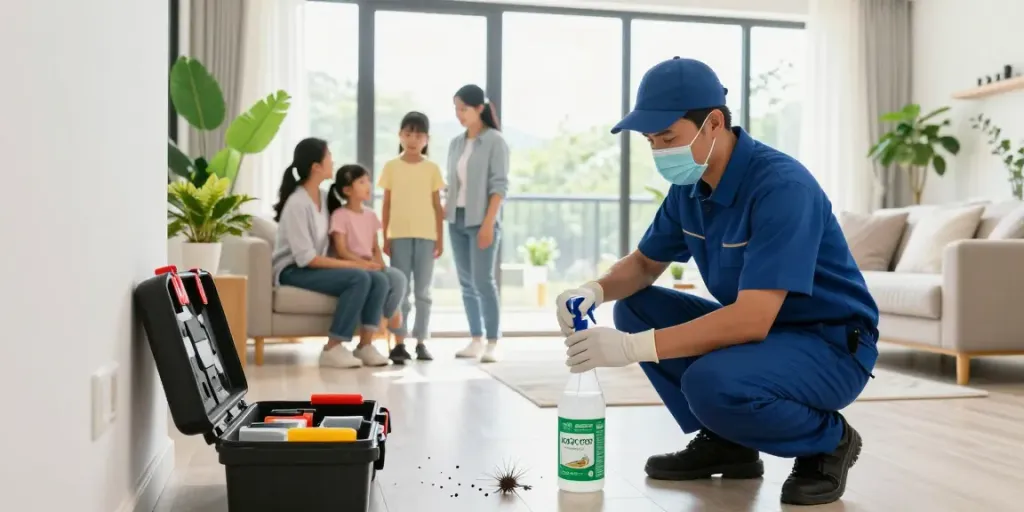
Understanding Pest Control Basics
Pest control is an essential part of maintaining a safe and healthy living environment. Pest infestations can lead to significant damage to property, health risks, and a decrease in overall quality of life. Understanding the fundamentals of pest control is crucial for homeowners, businesses, and property managers alike. In this comprehensive guide, we will delve into the various aspects of pest control, ensuring you have the knowledge needed to keep your space pest-free. When exploring options, Pest control services can offer invaluable insights and solutions tailored to your specific needs.
What is Pest Control?
Pest control refers to the management and regulation of species deemed to be pests, which can negatively impact human health, agriculture, and property. This process involves various techniques aimed at eliminating or mitigating the effects of these pests. Traditional methods have included chemical treatments, while modern approaches increasingly emphasize eco-friendly solutions and integrated pest management (IPM) strategies that focus on prevention and long-term control.
Types of Pests and Their Impact on Homes
Households may face a variety of pest problems, each requiring specific treatment strategies. Common household pests include:
- Ants: These social insects can invade kitchens and pantries, contaminating food sources.
- Rodents: Mice and rats pose serious health risks, as they can transmit diseases and damage structures.
- Termites: These wood-destroying insects can cause severe structural damage to homes if left unchecked.
- Bed Bugs: Known for their biting habits, bed bugs lead to discomfort and can be difficult to eradicate.
- Spiders: While many are harmless, certain species can pose health risks, especially to those with allergies.
Common Pest Control Myths Debunked
There are numerous myths surrounding pest control that can hinder effective pest management. Here are a few common misconceptions:
- Myth 1: All pesticides are safe to use around children and pets.
- Myth 2: DIY pest control methods are just as effective as professional services.
- Myth 3: If you don't see pests, you don't have an infestation.
Understanding the truth behind these myths is crucial for effective pest management.
Identifying Pest Infestations
Early detection is key to controlling pest populations before they become a significant problem. Recognizing the signs of infestation can save homeowners time and money in the long run.
Signs of Pests in Your Home
Common indicators of pest infestations include:
- Visible droppings or urine stains.
- Damaged wood or structural components, often caused by termites.
- Evidence of nesting materials, such as shredded paper or fabric.
- Unpleasant odors, particularly in the case of rodents.
How to Conduct a Pest Inspection
A thorough pest inspection is crucial for identifying any issues within your property. Here are steps to effectively inspect your home:
- Start in the kitchen and pantry, checking for signs of food contamination.
- Examine closets and furniture for indications of bed bugs.
- Inspect the foundation, crawl spaces, and attic for evidence of rodents and termites.
- Look for entry points where pests might be gaining access to your home.
Using Technology for Early Detection
Advancements in technology are revolutionizing pest control. Tools like smart traps and sensor systems can monitor pest activity and alert homeowners in real time, making early intervention easier and more effective.
Choosing the Right Pest Control Methods
Once a pest problem is identified, choosing the most appropriate control method is essential. Various methodologies exist, each catering to different pest types and levels of infestation.
Eco-Friendly Pest Control Solutions
Many homeowners are moving towards environmentally friendly pest control solutions that minimize harm to the planet. Organic pesticides, natural repellents, and habitat modification are all effective in managing pest populations without relying on harsh chemicals.
Professional vs. DIY Pest Control: Pros and Cons
When facing a pest problem, homeowners often weigh the options of professional services against DIY methods. Understanding the advantages and disadvantages of each can help in making informed decisions:
- Professional Services:
- DIY Methods:
Seasonal Pest Control Strategies
Different seasons bring unique pest challenges. For instance, spring is often associated with ants and termites, while winter can see an influx of rodents seeking warmth. Developing seasonal strategies tailored to local pests can enhance overall pest management efforts.
Implementing Effective Pest Control Plans
Creating a comprehensive pest control plan is vital for long-term management and prevention of pest infestations.
Creating a Home Maintenance Schedule
Regular home maintenance can significantly reduce the likelihood of pest problems. Establish a schedule that includes:
- Routine inspections of potential entry points.
- Sealing cracks and gaps in walls and foundations.
- Regular cleaning to eliminate food sources.
Integrating Pest Control into Your Home Routine
Pest control should be a continuous process rather than a one-time event. Integrate pest management practices into daily routines, like keeping food sealed and disposing of waste promptly, to maintain a pest-free environment.
Real-World Success Stories and Tips
Many homeowners have successfully managed pest problems through diligence and informed strategies. For example, one family in Dixon, IL, reported eradicating a termite threat by combining professional treatments with ongoing monitoring and preventive measures. Such stories provide valuable insights and encouragement to others facing similar challenges.
Keeping Your Home Pest-Free Long-Term
Long-term pest management requires consistent effort and vigilance. Seeking to remain pest-free involves ongoing monitoring and adapting strategies as needed.
Monitoring and Maintenance Best Practices
Establishing regular check-ups and employing monitoring tools can ensure early detection of new pest activities. Consider implementing a simple logbook to record any pest sightings or signs and the actions taken.
When to Call a Pest Control Professional
While many pest problems can be managed independently, there are times when professional intervention is necessary. If an infestation persists despite DIY efforts, or if health risks are involved, it may be time to consult an expert.
Future Trends in Pest Control Technology for 2026
Looking ahead, pest control technology continues to advance. Innovations such as AI-driven pest detection systems, drones for aerial inspections, and smart home integrations will revolutionize how pest management is approached in 2026 and beyond, emphasizing efficiency and precision in pest control.
What are the most common pests in households?
The most common household pests include ants, roaches, rodents, termites, and bed bugs. Identifying these pests early on is crucial to preventing infestations.
How can I prevent pests from entering my home?
Preventing pests starts with sealing entry points, maintaining cleanliness, and managing moisture levels within your home. Regular inspections will also help keep pests at bay.
What should I do if I find pests in my home?
Upon discovering pests, assess the situation, identify the type of pest, and respond accordingly. Minor issues may be handled through DIY measures, while larger infestations likely require professional assistance.
Are eco-friendly pest control methods effective?
Yes, eco-friendly methods can be effective. They focus on prevention and sustainable practices that mitigate pest problems without harming the environment.
When is the best time to perform pest control?
Timing can greatly affect the efficacy of pest control methods. Spring and fall are optimal for many treatments, as pests are either emerging or preparing for winter.