
The Evolution of 3D Printer Deals: A Historical Perspective
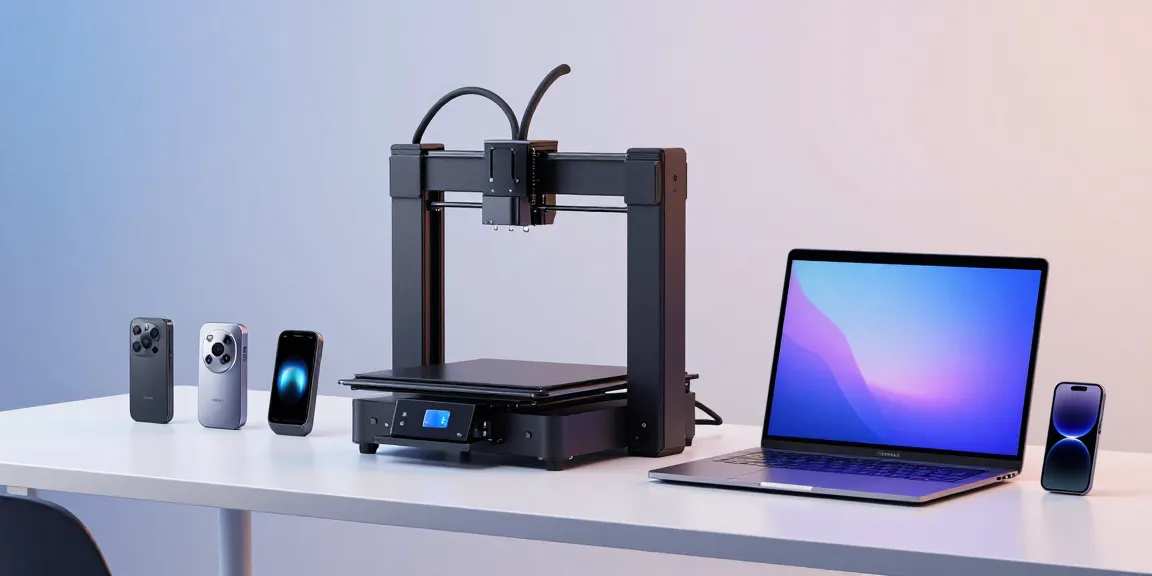
The journey of 3D printing technology has transformed significantly since its inception, moving from a niche application of prototyping to a mainstream consumer product. As technology advanced, the availability of 3D printers at competitive prices led to the emergence of various 3d printer deal offerings. These deals cater to diverse demographics, from hobbyists to professionals, while merging sophisticated quality with affordability. Understanding this evolution provides a comprehensive perspective on how current market dynamics emerged.
Key Innovations in 3D Printing Technology
Over the past decade, key innovations have fueled the growth of 3D printing, enhancing both accessibility and functionality. While early printers were characterized by limited material options and lower print resolutions, advancements like Fused Deposition Modeling (FDM) now allow users to choose from a wide array of filaments, including flexible and composite materials. Other innovations include the introduction of Resin printers that offer superior detail and the development of Multi-Material and Multi-Color printing technologies.
Impact of Consumer Electronics on 3D Printer Packages
Consumer electronics have significantly influenced 3D printer sales strategies, leading to bundled offers that appeal to potential buyers. Manufacturers frequently package printers with necessary accessories such as filament spools, tools, and software to facilitate user experience, ultimately enhancing perceived value. This strategic bundling of products creates attractive pricing models within the marketplace, effectively increasing sales volume.
How Market Demand Shaped 3D Printer Offers
The growing market demand for personalized manufacturing has led to an increase in tailored 3D printer deals. Companies are now keenly observing consumer behavior to develop products that align with specific needs. For instance, educators may require printers suitable for classroom settings while hobbyists might look for machines that allow complex projects, prompting diverse offer structures. This adaptability reflects an industry responsive to its consumers.
Current Trends in 3D Printer Offers and Market Dynamics
Today’s 3D printer market is vibrant, characterized by various deals that reflect evolving consumer preferences and innovative technologies. Understanding these trends can help potential buyers make more informed decisions. Companies now focus on offering unique features such as internet connectivity and integration with cloud services, signifying a shift toward smarter and more interconnected devices.
Analyzing Today’s 3D Printer Deals
The current landscape of 3D printer deals is marked by competitive pricing and increased availability of high-quality machines. Many retailers are incorporating limited-time offers that create a sense of urgency among potential consumers. Whether it’s through promotional events or subscription services that provide regular upgrades, the trend shifts toward a business model that prioritizes customer retention and engagement.
User Preferences: Trends in Buying Behavior
Shifts in user preferences are influencing the criteria upon which buyers base their purchasing decisions. Ease of use, print quality, and support resources are paramount. Buyers are increasingly looking for machines that feature intuitive interfaces and community resources for troubleshooting and creative inspiration. Companies that recognize and adapt to these preferences position themselves favorably in the competitive market.
The Role of Cloud Computing in 3D Printing
Cloud computing has begun to intertwine with 3D printing to create a more streamlined user experience. This integration allows users to upload and edit designs remotely, manage their print jobs from anywhere, and even access a library of shared designs. Moreover, cloud-based software solutions support collaborative efforts among designers and engineers, establishing a communal environment for innovation.
Tech Integration: Merging Software Development with 3D Printing
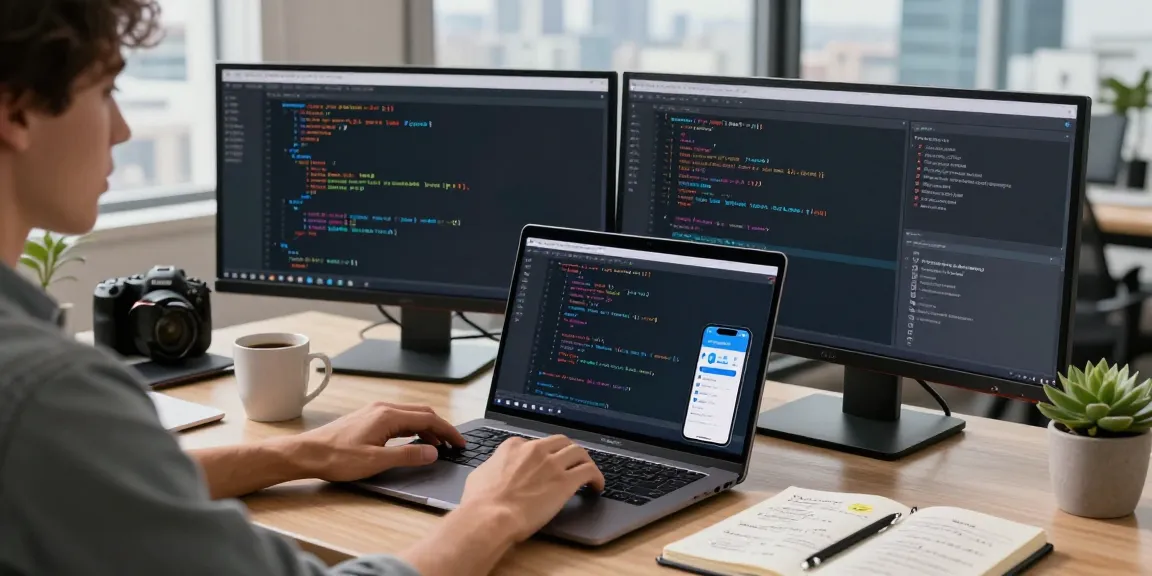
Modern 3D printing is not solely a hardware affair; it has woven together with software development to enhance functionality and user experience. This tech synergy is crucial as it influences everything from design processes to print execution, leading to more efficient and user-friendly printing solutions.
The Importance of APIs in 3D Printing Tech
Application Programming Interfaces (APIs) play a critical role in enabling different software applications to communicate seamlessly with 3D printers. API integrations can automate printing workflows, allowing users to push designs directly from design software to their printer without manual intervention. This streamlining is essential for professional settings where time efficiency is a priority.
Advancements in AI/ML for Enhanced Printing
Artificial Intelligence (AI) and Machine Learning (ML) are making significant strides in refining the printing process. Through predictive maintenance algorithms, these technologies can analyze printer performance, predicting potential failures before they occur. Additionally, AI can optimize print settings dynamically based on material and model specifications, further enhancing print quality and reducing waste.
Collaboration Tools for Developing 3D Designs
As more creators engage in 3D design, the need for robust collaboration tools becomes essential. Platforms that provide real-time collaborative features enable multiple users to work on a design simultaneously, improving creativity and efficiency. This collaborative spirit not only enhances the individual user’s capabilities but also fosters community innovation in 3D modeling and design.
Cybersecurity Considerations for 3D Printer Offer Platforms
As 3D printing platforms increasingly integrate online services, cybersecurity must become a priority to protect users and maintain trust. Safeguarding user data and ensuring secure transactions should be foundational aspects of any e-commerce platform in the 3D printing space.
Safeguarding User Data in E-commerce Environments
When users engage with e-commerce platforms for 3D printer deals, they submit sensitive personal and payment information. Protecting this data requires encryption protocols and secure payment gateways. Regular security audits and compliance with industry standards, such as ISO 27001, further bolster data protection strategies.
Best Practices for Secure 3D Printer Transactions
To ensure safe online transactions, platform providers should implement strong authentication mechanisms, such as two-factor authentication (2FA), to mitigate account takeover risks. Additionally, updating software to patch vulnerabilities and employing real-time monitoring solutions to detect suspicious activities can greatly enhance transaction security.
Recognizing and Mitigating Cyber Threats
Awareness of potential cyber threats is vital in maintaining a secure environment. Cybersecurity teams should be educated on common attack vectors such as phishing attempts, ransomware, and DDoS attacks. Regular training and incident response plans enable businesses to respond quickly to breaches, minimizing damage and fortifying defenses.
Future Outlook: 3D Printer Deals through 2026 and Beyond
Looking ahead, the 3D printing landscape is poised for transformative changes as technology evolves and consumer expectations shift. Companies must stay attuned to these emerging trends to capitalize on future opportunities and create engaging offers that appeal to diverse audiences.
Predicting Future Technologies in 3D Printing
The future of 3D printing will likely embrace emerging technologies such as enhanced Robotics and advanced materials research. Novel materials like bio-inks and smart materials will allow for more applications in medical, aerospace, and other specialized industries. As production becomes more decentralized, the synchronization of these technologies will become increasingly important.
Next-Gen Features Expected in 3D Printers
Next-generation 3D printers may feature innovations such as automated calibration, self-healing materials, and even integrated quality check algorithms. Integration with IoT will allow for more comprehensive monitoring and control, giving users unprecedented capabilities in managing their printing processes.
How Environmental Factors Will Influence Deals
As sustainability becomes a priority globally, the 3D printing industry must adapt. Expect to see environmentally friendly materials and energy-efficient technologies driving future deals. Companies that successfully innovate while prioritizing sustainability will likely resonate well with eco-conscious consumers, creating a significant competitive edge.
FAQs on 3D Printer Deals and Technology
What are the benefits of upgrading to a new 3D printer?
Upgrading to a newer 3D printer often translates into improved print quality, reliability, and expanded functionality. Advanced models may offer new features that can significantly enhance your creative projects, such as multi-material capabilities or faster print speeds, ultimately making your investment worthwhile.
How can I maximize the value of my 3D printer deal?
To maximize the value of your purchase, ensure you fully understand your needs before buying. Consider factors such as support resources, community engagement, and how frequently the manufacturer offers updates and improvements. Engaging with online communities can also provide insights and tips that enhance your overall experience.
What trends should I look for in 3D printing technology?
Keep an eye on trends such as sustainability, smart integrations, and user-friendly interfaces. The rise of AI-driven enhancements and expanded material options will likely reshape the industry landscape and open new avenues for applications in various sectors.