
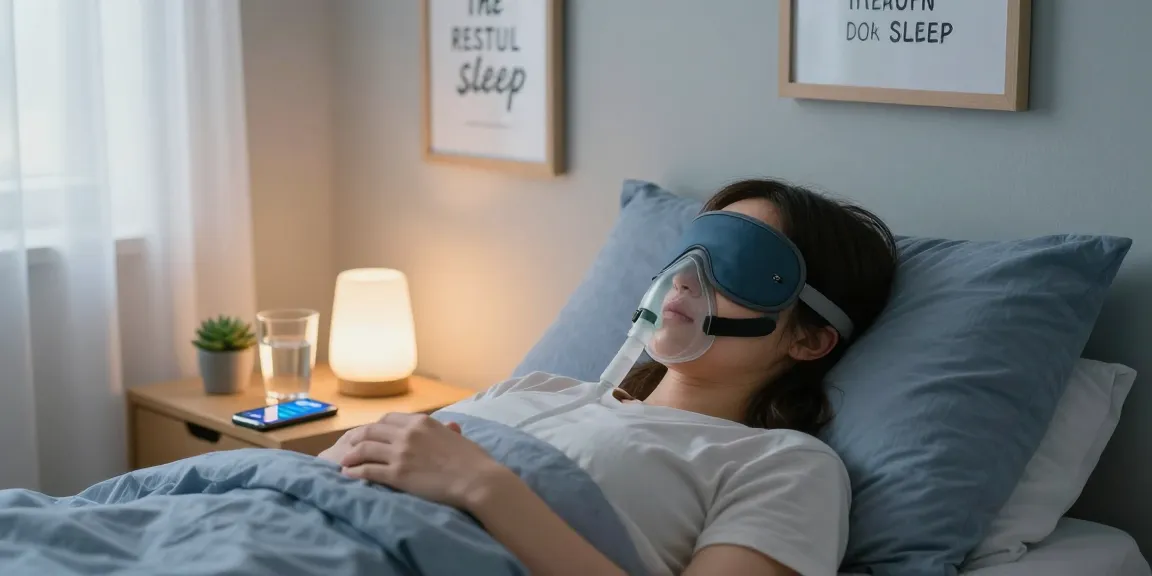

Understanding cpap Masks and Their Role in Sleep Health
Sleep is an essential part of our lives, affecting everything from our mood to our overall health. For those suffering from sleep apnea, the right cpap mask can make a significant difference. These devices not only aid in breathing during sleep but also play a vital role in improving sleep quality and health. In this article, we will explore what cpap masks are, the benefits they provide, and how to choose the right one.
What is a cpap mask and how does it work?
A cpap mask is a device used in conjunction with a Continuous Positive Airway Pressure (CPAP) machine. The machine delivers a steady stream of air to keep the airway open during sleep, preventing interruptions in breathing. The mask fits over the nose, mouth, or both, depending on the type selected. There are various styles and sizes available to accommodate different facial structures and comfort preferences.
When used properly, cpap masks can help individuals manage the symptoms of sleep apnea, including snoring and fatigue. The pressure from the machine helps maintain the airway’s openness, allowing for uninterrupted, restful sleep.
Benefits of using a cpap mask for sleep apnea
The primary benefit of using a cpap mask is the significant improvement in sleep quality. By keeping the airway open, patients can experience more restorative sleep cycles, resulting in increased alertness and reduced daytime sleepiness. Other advantages include:
- Reduced risk of associated health issues: Untreated sleep apnea can lead to serious health conditions such as hypertension, heart disease, and diabetes. A cpap mask helps mitigate these risks.
- Improved quality of life: Many users report a notable enhancement in their overall quality of life, including better mood regulation, improved cognitive function, and increased energy levels.
- Better sleep for partners: By reducing snoring and other sleep disruptions, cpap masks can enhance sleep quality for bed partners, fostering healthier relationships.
Common misconceptions about cpap masks
There are several misconceptions surrounding cpap masks that can deter individuals from using them. Some of the most common include:
- They are uncomfortable: While initial adjustment may be necessary, modern masks are designed with user comfort in mind and are available in various styles to suit personal preferences.
- They are only for severe cases: Even mild sleep apnea can benefit from treatment, and early intervention is crucial to prevent complications.
- They are loud: Many cpap machines are designed to operate quietly, ensuring minimal disruption during sleep.
Choosing the Right cpap Mask for Your Needs
Selecting the right cpap mask is crucial for effective treatment. With a variety of options available, it’s essential to understand the differences and choose one that best fits your needs.
Different types of cpap masks available
Cpap masks come in several types, including:
- Full-Face Masks: These cover both the nose and mouth and are ideal for individuals who breathe through their mouths while sleeping.
- Nasal Masks: Smaller and covering only the nose, these are suitable for those who primarily breathe through their noses.
- Nasal Pillows: A more minimalistic option that consists of small cushions that fit directly into the nostrils, perfect for those who feel claustrophobic.
Factors to consider when selecting a cpap mask
When choosing a cpap mask, consider the following factors:
- Comfort: Look for features such as adjustable headgear, soft materials, and lightweight design.
- Fit: Ensure a proper seal to prevent air leakage, which can reduce the effectiveness of treatment.
- Maintenance: Some masks require more upkeep than others; consider how easy it is to clean and replace parts.
Personalizing your cpap mask experience
Finding the perfect cpap mask may take time. Personalizing the experience can help enhance comfort and compliance. Consider using accessories such as mask liners, pillow options, or different headgear configurations to improve your comfort level while sleeping.
Getting Used to Your cpap Mask
Adjusting to a cpap mask can be a challenge for some users. It’s crucial to approach this adjustment period with patience and the right techniques.
Best practices for adapting to a cpap mask
To successfully adapt to a cpap mask:
- Start gradually: Wear the mask while awake for short periods to become accustomed to the sensation.
- Practice relaxation techniques: Use deep breathing or mindfulness exercises to reduce anxiety associated with wearing the mask.
- Seek professional advice: If you’re struggling, consult with your healthcare provider or a sleep specialist for tailored strategies.
Tips for ensuring comfort during sleep
Comfort is key to successful cpap therapy. Follow these tips to enhance comfort:
- Choose the right pillow: Special cpap pillows are designed to accommodate the mask without obstructing air flow.
- Adjust temperature settings: Ensure the air from the machine is comfortable by adjusting the temperature if your machine allows.
- Regularly clean the mask: Daily cleaning can prevent skin irritations and maintain the mask’s effectiveness.
Common challenges and solutions when using cpap masks
Users may encounter several challenges when using cpap masks. Common issues include:
- Air leaks: Ensure proper fitting and adjustment of the mask to minimize leaks.
- Skin irritation: Try using mask liners or moisturizing skin products to reduce irritation.
- Feeling claustrophobic: Opt for smaller styles like nasal pillows or practice gradual acclimatization.
Maintaining Your cpap Mask for Optimal Performance
Proper maintenance of your cpap mask is crucial for ensuring its effectiveness and longevity. Regular care can prevent infections and enhance comfort.
Cleaning and caring for your cpap mask
To maintain your cpap mask:
- Daily cleaning: Rinse your mask in warm, soapy water every day to remove oils and bacteria.
- Weekly thorough cleaning: Perform a more thorough cleaning weekly, ensuring all parts are disinfected.
- Use gentle products: Avoid harsh chemicals that might damage the mask materials.
Signs your cpap mask needs replacing
Over time, cpap masks can wear out. Look for these signs that it might need replacement:
- Visible wear and tear: Any cracks or fraying can compromise the mask’s seal.
- Persistent discomfort: If the mask no longer feels comfortable, it may be time for a new one.
- Frequent air leaks: If leaks are happening regularly, it may indicate the mask is no longer functioning effectively.
Importance of regular maintenance for longevity
Regular maintenance not only enhances the longevity of the mask but also ensures effective treatment. Consistent care reduces the risk of complications and improves overall hygiene.
Future Trends in cpap Technology and Sleep Health
The field of sleep health is continually evolving, and cpap technology is no exception. Innovations are expected to make these devices more comfortable and user-friendly.
Innovations in cpap mask design and functionality for 2026
With advancements in technology, the future of cpap masks looks promising. Innovations may include:
- Smart technology: Integration of sensors that monitor sleep patterns and adjust pressure automatically.
- Compact designs: More lightweight and travel-friendly options for users on the go.
- Enhanced comfort materials: New soft-touch materials that adapt to facial contours for better fit and comfort.
Personalized sleep therapy solutions
As technology advances, personalized sleep solutions will allow for tailored treatment plans that consider the individual’s unique needs, optimizing therapy’s effectiveness and comfort.
Emerging research on sleep quality enhancement
New studies are continuously exploring the impact of various factors on sleep quality, including lifestyle changes, dietary influences, and environmental factors. Ongoing research will enhance our understanding of sleep health and improve treatment options.
What is the impact of cpap masks on sleep health in the future?
As understanding of sleep apnea and technology continues to grow, the future impact of cpap masks on sleep health is likely to be profound. Improved compliance through enhanced comfort and personalized treatment options will lead to better health outcomes for users.