
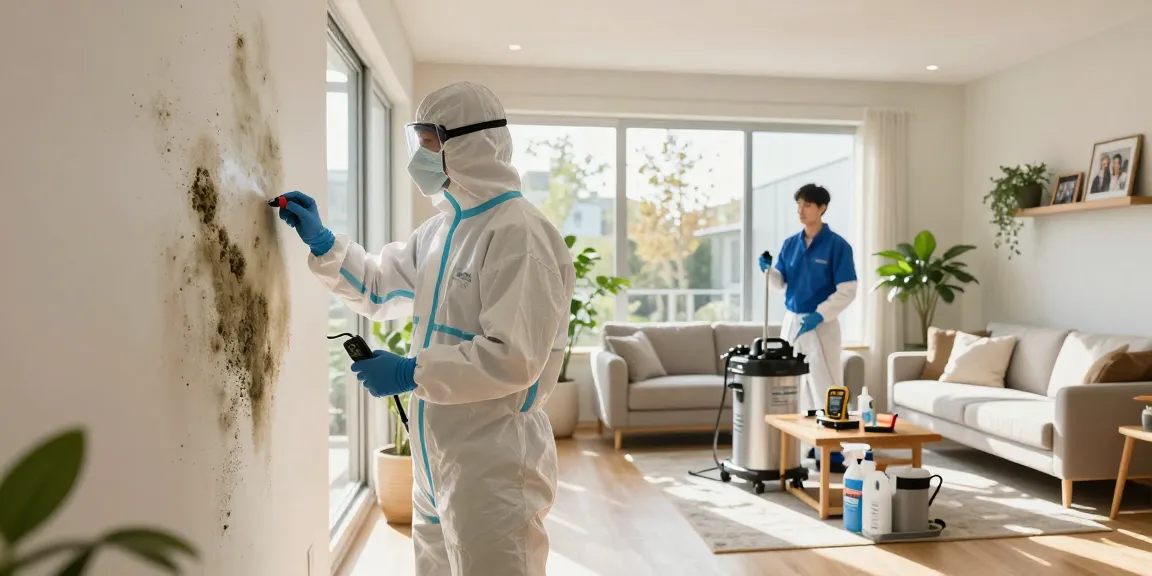

Understanding Mold and its Dangers
Mold is a common problem in many households, especially in regions like Vancouver where humidity and dampness are prevalent. Understanding the nature of mold, the health risks associated with it, and the signs that indicate a mold infestation are crucial for homeowners. Mold isn’t just an aesthetic issue; it can lead to serious health concerns and structural damage if not dealt with promptly.
When exploring options, Mold Remediation Vancouver provides comprehensive insights into effective mold management strategies.
What is Mold and Where Does it Grow?
Mold is a type of fungus that thrives in moist environments. It can grow on a variety of surfaces, including wood, drywall, and tiles, particularly in places with limited ventilation and high humidity. Common areas where mold is found include:
- Basements and crawlspaces
- Bathrooms and kitchens
- Under sinks and behind appliances
- Attics and around windows
- Within HVAC systems
Mold reproduces by releasing spores into the air, which can be inhaled or settle on surfaces, leading to further infestation.
Health Risks Associated with Mold Exposure
Exposure to mold can result in a range of health problems, particularly for sensitive individuals. Common symptoms include:
- Respiratory issues (asthma, chronic cough)
- Allergic reactions (sneezing, runny nose)
- Skin irritations and rashes
- Eye irritation and redness
- Fatigue and headaches
In severe cases, certain types of mold, like black mold (Stachybotrys chartarum), can produce mycotoxins that pose serious health risks, particularly for children, the elderly, and those with pre-existing health conditions.
Common Signs Your Home Needs Mold Remediation
Detecting mold early can save homeowners from significant health and financial issues. Signs that you may need mold remediation include:
- Visible mold growth (black, green, or white spots)
- Musty odors
- Recent water damage or leaks
- Peeling paint or wallpaper
- Increased allergy symptoms among household members
The Mold Remediation Vancouver Process
Effectively dealing with mold requires a systematic approach tailored to the specific circumstances of your property. The mold remediation process generally includes several critical steps to ensure thorough removal and prevention of future growth.
Step-by-Step Overview of Mold Remediation
The mold remediation process is typically divided into four main phases:
- Inspection and Assessment: A qualified technician inspects the property for visible and hidden mold, using moisture meters and thermal imaging where necessary.
- Containment: To prevent the spread of mold spores, the affected area is contained using physical barriers and negative air pressure systems.
- Removal and Cleanup: Mold-infested materials may need to be removed and disposed of securely. Non-infested materials are cleaned using specialized techniques and equipment.
- Restoration: This involves repairing and restoring any structural damage, as well as implementing preventive measures to reduce future mold growth possibilities.
Containment and Safety Measures During Remediation
During the remediation process, safety is paramount. Technicians should use appropriate personal protective equipment (PPE) to minimize exposure to mold spores. Containment measures include:
- Setting up poly barriers around the affected area
- Using negative air machines to filter air and prevent cross-contamination
- Turning off HVAC systems to avoid spreading spores through ductwork
Post-Remediation Cleaning and Restoration
Once mold has been removed, thorough cleaning is essential. This may involve:
- Using HEPA vacuums to capture remaining spores
- Applying antimicrobial treatments to surfaces
- Restoring affected areas through repainting or remodeling
Cost Factors in Mold Remediation Services
Understanding the costs associated with mold remediation is important for homeowners looking to budget for this necessary service. Various factors influence the overall cost, including:
Understanding Mold Remediation Vancouver Pricing
The price of mold remediation services in Vancouver can fluctuate based on several variables, including:
- The size of the affected area
- The extent of the contamination
- Materials that need to be removed or replaced
- The complexity of access to the mold (e.g., in crawlspaces or attics)
Insurance Coverage for Mold Remediation
Many homeowners’ insurance policies may cover mold remediation, but this depends on the specifics of the policy and the cause of the mold growth. It is advisable to check your coverage details and consult with your insurance agent to understand your options.
Cost-Effective Solutions for Homeowners
For those concerned about costs, there are several strategies to make mold remediation more affordable:
- Regular maintenance and inspections can help catch mold early.
- Implementing moisture control measures can prevent mold growth.
- Consider DIY cleaning for minor infestations, but always consult professionals for significant issues.
Preventing Future Mold Growth in Vancouver Homes
Preventing mold growth in the first place is the best way to protect your home and health. Here are some effective strategies:
Best Practices for Homeowners to Prevent Mold
To keep mold at bay, homeowners should:
- Maintain indoor humidity levels between 30-50%.
- Use exhaust fans in bathrooms and kitchens.
- Ensure proper drainage around the home to prevent water accumulation.
- Fix any leaks immediately to avoid moisture buildup.
Importance of Regular Inspections and Maintenance
Regular inspections can catch mold problems before they escalate. Homeowners should schedule inspections at least once a year to assess for dampness or mold in hidden areas like attics and basements.
Moisture Control and Ventilation Tips
Improving ventilation can help control moisture levels. Effective strategies include:
- Installing dehumidifiers in basements and bathrooms.
- Using air purifiers with HEPA filters to capture spores.
- Ensuring that all appliances and plumbing systems are functioning properly to reduce leakage risks.
Frequently Asked Questions about Mold Remediation
Homeowners often have numerous questions about mold remediation. Here are answers to some of the most common queries:
Do I Really Need Mold Remediation?
If you detect mold in your home, especially in large amounts or in areas that have been damp for a prolonged period, professional remediation is strongly recommended. Mold can lead to serious structural damage and health issues.
How Long Does the Mold Remediation Process Take?
The duration of mold remediation can vary based on the extent of the contamination. Typically, the process can take anywhere from a few days to a week. Your remediation specialist can provide a more accurate timeline following an assessment.
Can I Stay in My Home During Mold Remediation?
Whether or not you can stay in your home during mold remediation largely depends on the extent of the mold infestation. For minor cases, it may be safe, while major infestations will likely require you to vacate the premises.